47 Hafez St.
Sweeping Historical Romance Inspired by True Events
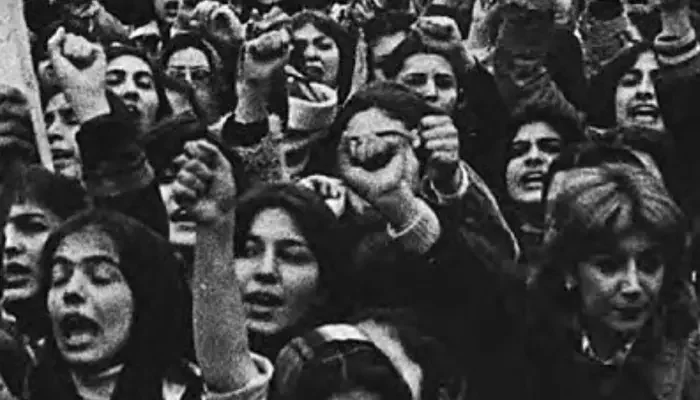
Tehran, 1979
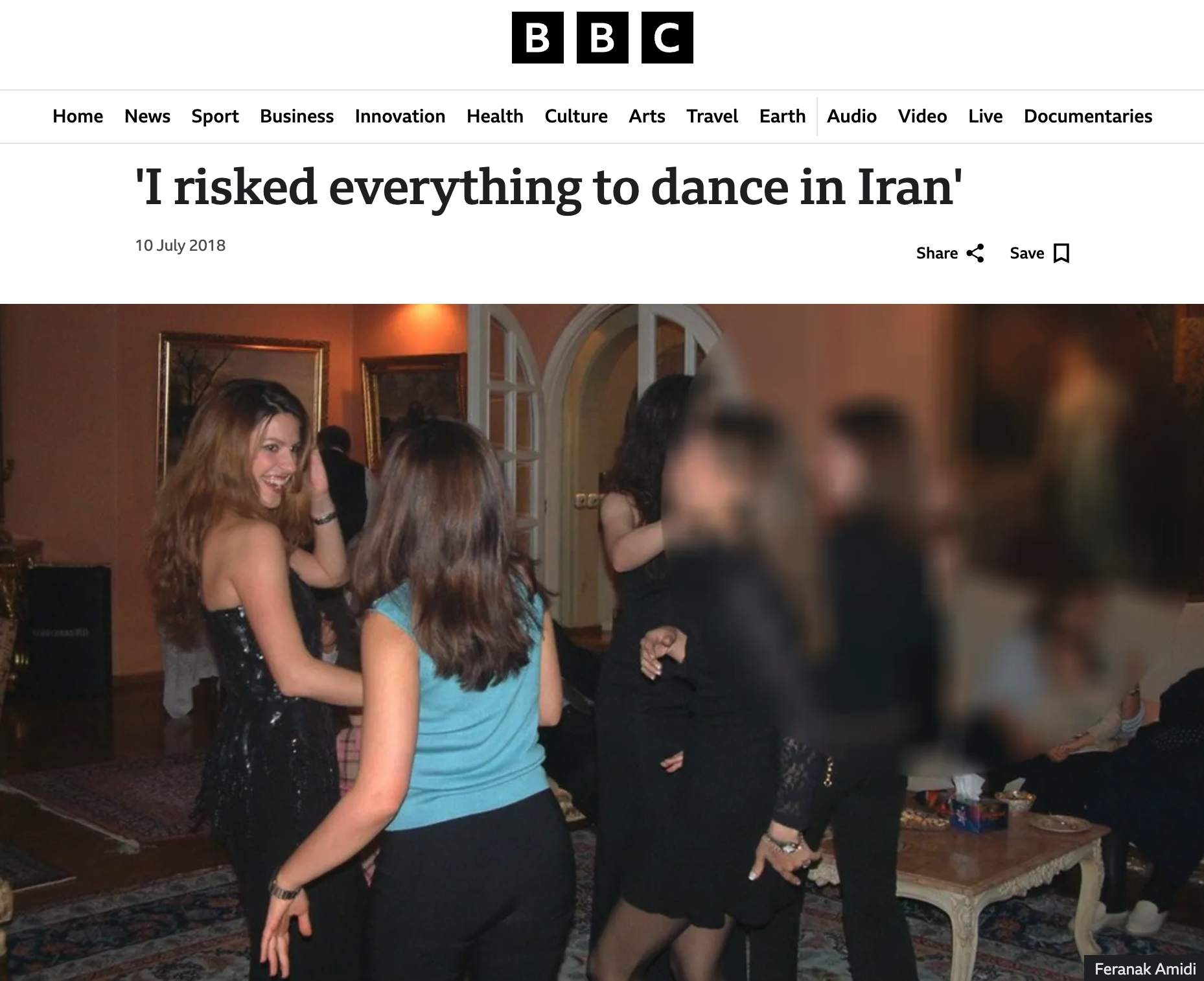
A new regime takes power and has declared war on “Western Influence.” Foreign music, American media, uncovered hair, and speaking out have become crimes overnight.
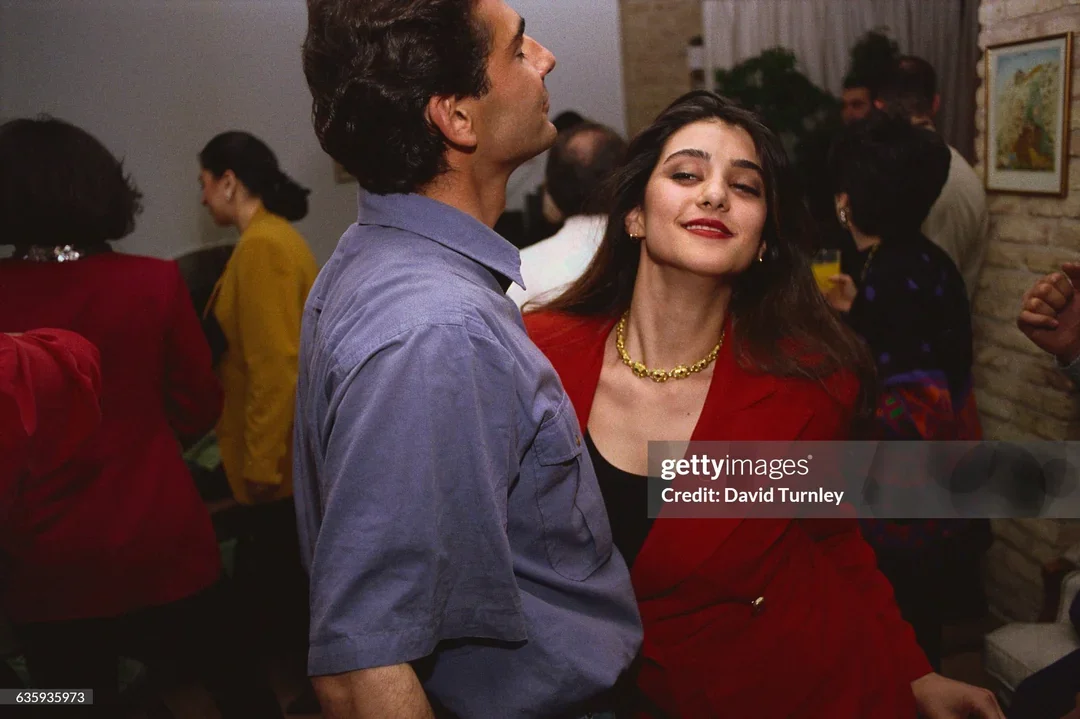
But in the shadows of the city, pockets of underground nightlife are emerging in backrooms, private parties, and illegal speakeasies.
Places where forbidden music still plays, and freedom dares to whisper.
At the center of this story is NILOUFAR, a soft-spoken factory worker navigating life beneath the new regime.
Married to BABAK, an ambitious officer in the Religious Police, she learns to speak softly, to move carefully, to survive.
Her only act of rebellion is private poetry… words she hides, written in secret, never meant to be heard…
…Until her secret is discovered by a magnetic stranger named CELESTINA, who catches a glimpse of the forbidden English verses.
When an officer spots them, Celestina quickly helps Niloufar slip away, then brings her underground to her place of work: a hidden, women-run speakeasy at 47 Hafez St.
Inside these clandestine walls, the speakeasy becomes their workshop.
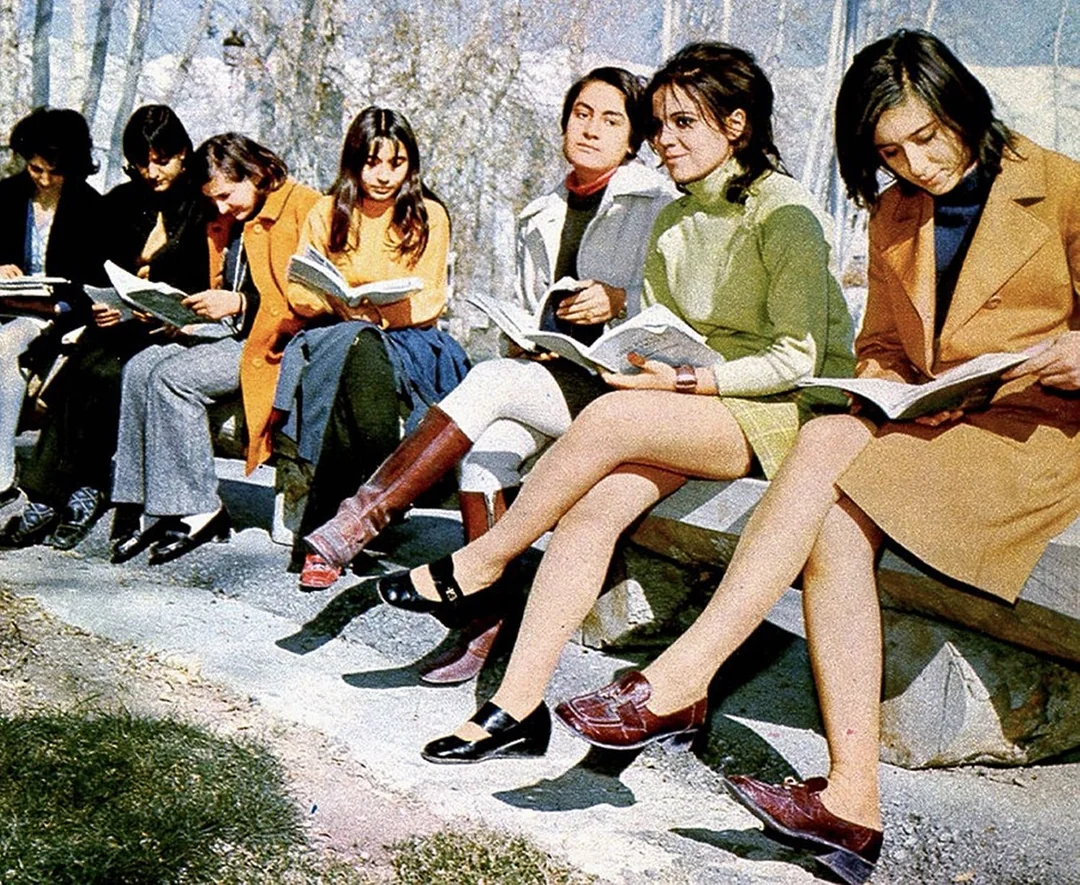
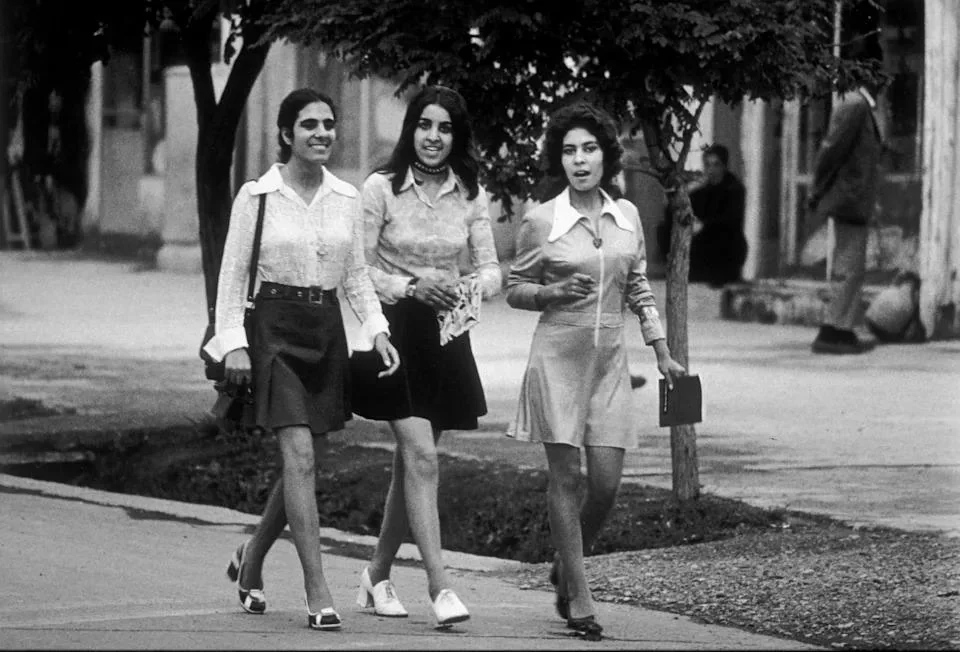
Niloufar’s poems come alive when Celestina turns them into music, performing them nightly for hungry audiences craving a taste of life before the Revolution.
And in the safety of this underground venue, Niloufar and Celestina’s collaboration ignites a magnetic, undeniable pull between the poet and the muse.
What starts as a creative partnership soon blurs into a bond that challenges every rule Niloufar has ever lived by…
But as their songs grow louder, so does the danger they’re in.
Niloufar is forced to live between worlds, balancing the empowered woman she’s becoming underground against the submissive wife she plays at home.
And the walls are closing in. Her husband, BABAK, is rising through the ranks of the Religious Police, drawing him dangerously close to discovering the very world she’s fighting to protect…
In a world that demands her silence, Niloufar must decide exactly what she is willing to sacrifice to be heard.
Why this story now?
As a mixed child of immigrants, I grew up on stories of family members who courageously defied oppressive governments in pursuit of freedom and opportunity. The 1979 Iranian Revolution has long fascinated me, especially knowing that my own family escaped just before the country’s upheaval.
In the years that followed, the new regime imposed sweeping restrictions on its citizens. Entertainers who challenged authority were silenced, women’s rights were rolled back, scientific communities fractured, and fear became a governing tool.
The more I learned, the more unsettlingly “of today” it all felt.
Iran has always been a country at a crossroads, shaped by generations who continue to push for something better.
47 Hafez Street is inspired by those who risked everything simply to be seen, heard, and alive. It is a love letter to my family who escaped, to those who stayed, and to all the Niloufars, past and present, who continue to imagine a future where their voices no longer have to hide, and where women can stand in the light, uncovered, unafraid, and fully heard.